I once bought a collection of academic essays entitled “Pathological Altruism” as a quasi self-help book. I don’t trust the way self-help books co-opt emotion to make their point, so I figured this might be more my kind of thing.
Needless to say, I didn’t find any ah ha! moments, labels to attach to myself, or five-point plans for a cure. In fact, the thing that made the greatest impact on me, honestly, was the mere fact of this book’s existence.
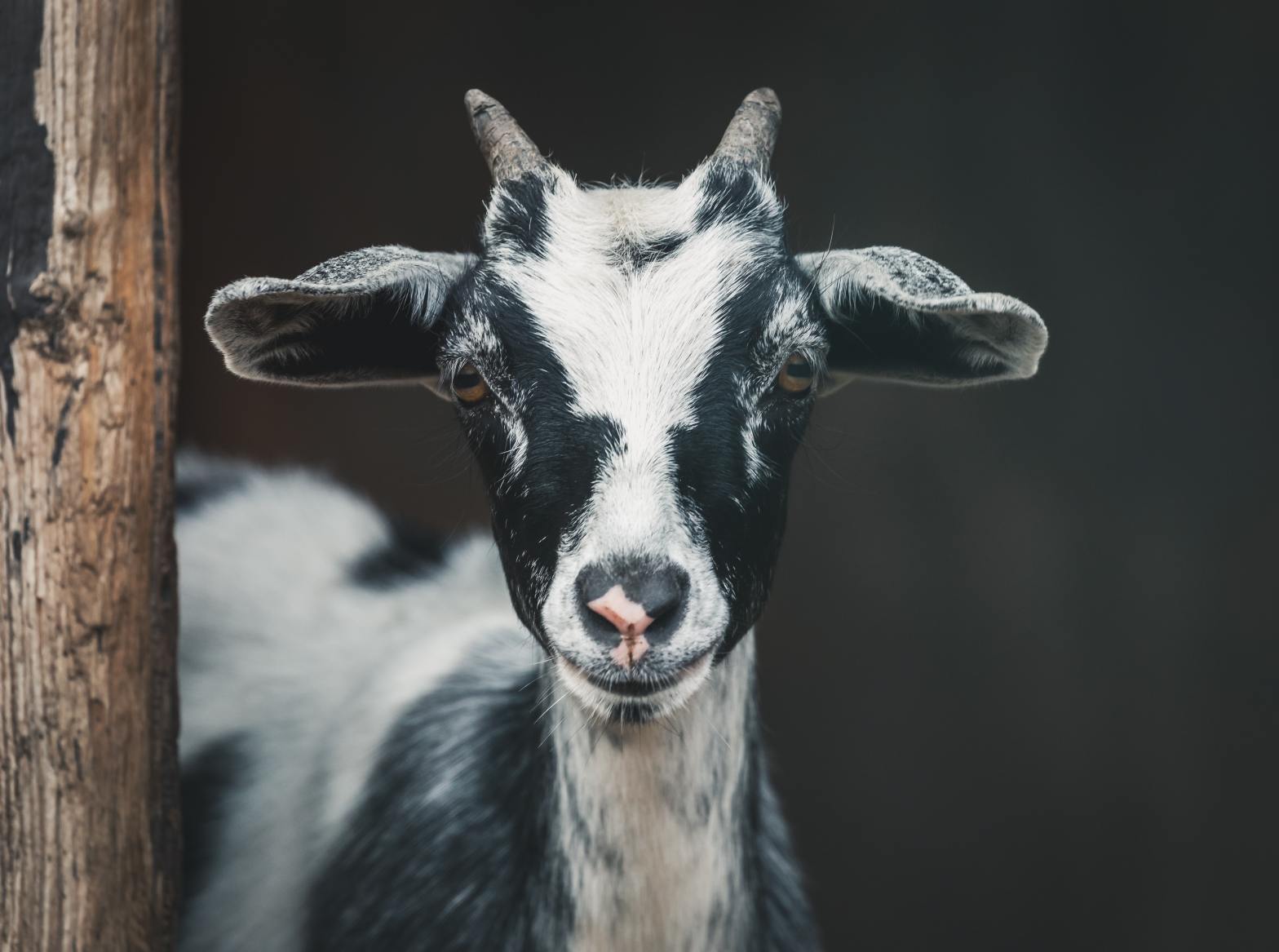
I was brought up as part of a house-church. That’s the kind of place where you spend your entire Sunday and every adult is your “aunty” or “uncle”. Aunty Jo kept a small farm on-site, where at lunchtime we kids would run off to pick gooseberries or get startled into a giggling fit by trying to stroke the goats.
The experience of growing up in a large church family was entirely positive, until I hit my teens. We formed a youth group that felt wholesome and safe, but was also competitively pious. We’d send one another letters exhorting faithfulness and chastity, or go for long walks on weekends and debate whether, if women had to cover their heads when praying, that meant being permanently covered up because we should be in constant communication with God. It was an incredibly supportive peer group, and particularly good at supporting women to develop the kind of selflessness that means your own desires count for jack.
Hence the ah ha! moment many years later on finding this book. Altruism taken too far can be harmful. Of course!
I think the feeling of revelation is often so powerful because it awakens some insight that’s been lurking unarticulated. Your brain has been subconsciously chewing over a problem, maybe for years – you just need a new piece of information to connect the dots.
The moment I saw that book cover, I understood: all those times I’d burned out, been resentful at people for taking advantage of me… realised in retrospect that others had been “in it to win it” and I hadn’t understood the game.
It flicked the switch because I saw in that moment that the people I most respect, aren’t the ones who expend all their energy trying to be nice, or help others, or keep everyone else happy. They are the people who know exactly what they want, understand their own limits for altruism, their needs for self-care, and set really clear boundaries. The friend who says, “Thank you for inviting me to stay, although I think I’ll rent somewhere nearby, and come visit you”. I am constantly in awe of those simple, self-confident acts.
It was recently suggested to me that self-care is a “value”, which to be honest, I’m still struggling to process. Just imagine, if this were what I taught and modelled to my children. What if, rather than “work myself to the ground, family will cope”, I made it a priority to look after myself – giving me the joy and energy to do the same for my kids – and set really clear boundaries over how much time and energy it was reasonable to give to my work?
A friend recently suggested that lockdown was an opportunity to reset our boundaries – and that’s certainly something I’ll be pondering while I water my gooseberry plants this weekend.
This blog post is part of the #DailyWritingChallenge with Hannah Wilson. Today’s theme was “self-care”.
Photo by Peter Lloyd on Unsplash

