I have a story about when I learned that it’s ok not to be perfect.
It’s a ridiculous story, which is why I never tell it. But as it’s the genesis of my new year’s resolution, I’ll give it a go.
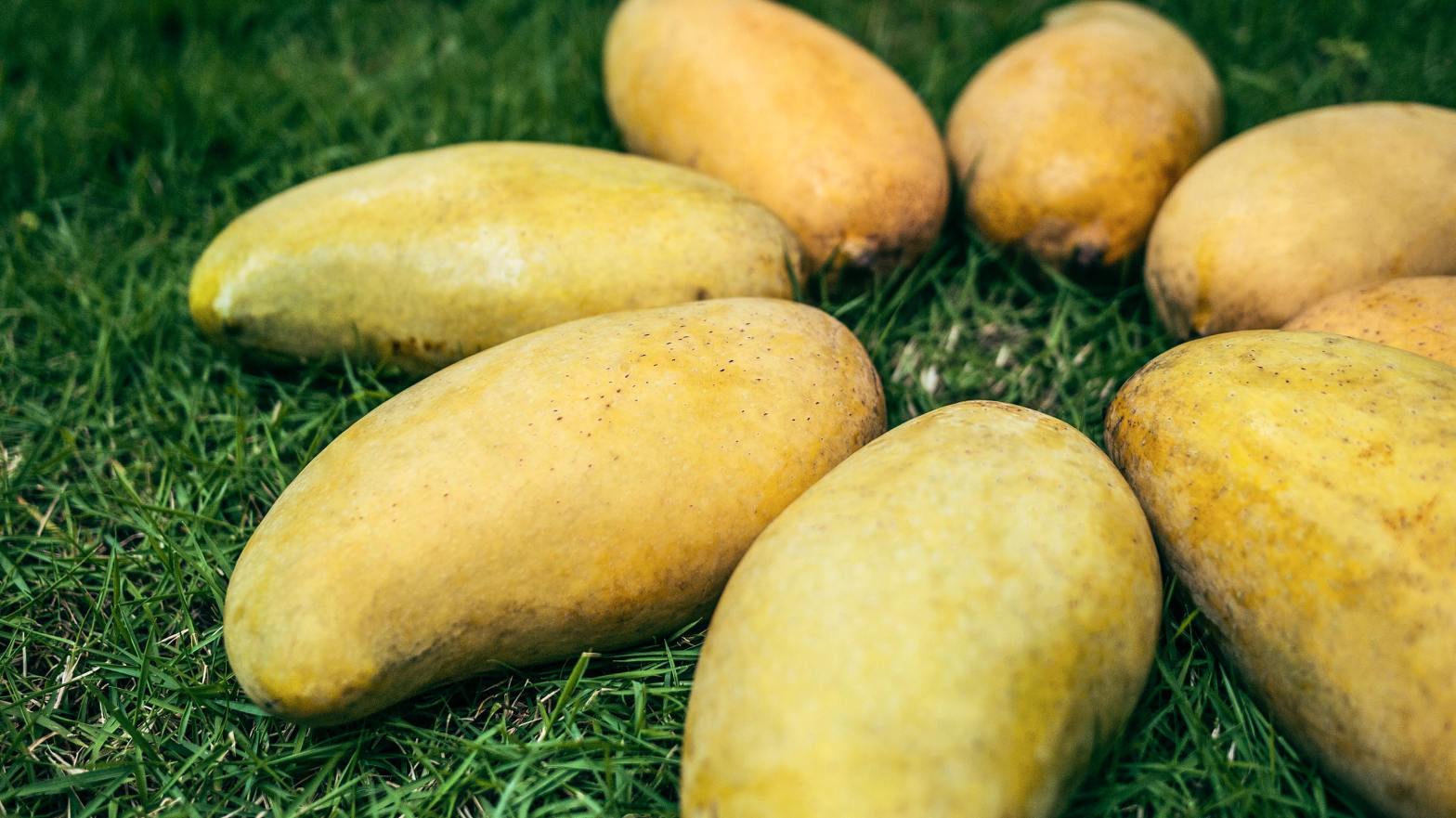
It was almost a decade ago, when I lived in a community of farmers, tropical biologists, north American Quakers and south American environmentalists in the cloud forest. We were pretty remote, so we entertained ourselves with clothes swaps, guitars, djembes and dancing. On this particular occasion, there was a glut of over-ripe mangoes and someone suggested a pie competition.
Eight or ten adults convened at my house on a Saturday evening, accompanied by kids of various ages. The party was outside – adults chatting, kids kicking a football – but in the kitchen my friend Marie was getting stuck into the pastry, and man, was she butchering it. Marie is Quebecois, so I’ll concede there was no reason that she would understand how Delia Smith says one should aerate one’s shortcrust, so I tried to point out where she was going wrong. It’s fair to say Marie didn’t care – she just wanted to have a good time. But I insisted so much that she disappeared outside and left me to finish her “****ing pastry”.
By the end of the evening, the mood was raucous. The pies were varying degrees of tasty. No one cared who lost or won but Marie had (quite justifiably) spent considerable time expressing her frustration at my obsession with the pastry. Apparently she had gone outside and mouthed off about it to all our friends. As they all drove away, Marie yelling friendly expletives out of the window of the 4×4, the ridiculousness of my behaviour struck me.
I was chagrined. I couldn’t believe that I had made Marie feel bad enough to give up – all over the texture of a pie crust.
This somewhat mundane get-together would have no doubt been erased from my memory, but for the revelation that was to come.
As I lamented my failings, my partner stepped in: “It’s ok, Cath. It’s ok that Marie didn’t give a shit about the pastry. It’s ok that you wanted it to be perfect – that’s just who you are. And it’s ok that she got pissed off with you. She still loves you. We all still love you.”
My Manichean brain struggled to compute. It’s ok for me be horribly flawed and have my friends feel affectionate towards me not despite it, but almost because of it?
It was a Eureka moment. This was the day I started to realise that people can love you even if you’re not perfect.
“The single greatest enemy of contemporary satisfaction may be the belief in human perfectibility.”
The School of Life: An Emotional Education
One of the dangers of being a perfectionist, is that you can be paralysed into inaction. If you can’t be the best at something, it’s not worth trying.
This is why it’s really important to fail, and fail often. If you don’t get used to the feeling of getting it wrong, you can become scared to take risks.
I was very well behaved at school and I found the work easy. But this meant I got away with things (skipping lessons, missing homework) other students would get punished for. Teachers just couldn’t imagine I would do anything for the wrong reason – so I virtually never got told off.
It’s what neurological science professor Robert Sapolsky refers to as “essentialism” in his book Behave – teachers seemed to assume I was good by nature. The converse happens to some students – everything they do is assumed to be bad.
Either way, it’s not healthy for children to be labelled as good or bad. We all need to learn that we can succeed, but also that failure is part of life and it’s not the end of the world. In fact, that failure is part of the process of learning.
I’m not sure why it happened, but somewhere along the way, I stopped taking risks. It could have been school that did it, or that once I lost my religious faith I became more scared of the world, or maybe I became risk-averse after having children.
Whatever the reason, the older you get, the easier it is to become stuck in the same patterns of living, even if they are not making you and those around you happy.
“A breakdown is not merely a random piece of madness or malfunction, it is a very real – albeit very inarticulate – bid for health and self-knowledge. It is an attempt by one part of our mind to force the other into a process of growth, self-understanding and self-development which it has hitherto refused to undertake.”
The School of Life: An Emotional Education
A couple of years ago, I made some big life changes. It was scary. I thought more people would be upset, but few friends or family even blinked an eye. It turns out that the person preventing the change from happening was me – projecting my fears of what would happen, and everyone else would think.
What I’ve since realised is that you can’t live your life for other people. (Except those who depend on you for their care, obviously.)
I started to fight for what I wanted – in my personal, parental and professional life. I failed. A lot. The thing is, when you’re not used to taking risks, you might not be good at them. Sometimes you aim big and mess it up and get heartbroken. Sometimes your vision of what you are capable of is too ambitious and your boring-old human weaknesses bring you down. But you pick yourself up and try again. It turns out that trying and failing – with all the highs and lows that brings – is more rewarding than not even trying in the first place.
I’ve felt a lot like a butterfly in a chrysalis – parts of me melting down and slowly reassembling in new ways. It can be lonely, and tiring, and sometimes you wonder why you’re bothering. But my biggest discovery of 2019 has been that when you fail, if you dare to ask for help, people will lift you up.
So my resolution for 2020 is to take more risks. To try more, fail more, learn more.
Footnote
I know only one song that expresses all this perfectly, and I’m afraid it’s in French, but I’ll include it here for any fellow francophones. Basically, it’s about how the lifelong quest of striving to reach the stars (“dreaming an impossible dream” / “loving even too much, even badly”) brings happiness, whether or not we succeed.
La quête – Jacques Brel
Rêver un impossible rêve
Porter le chagrin des départs
Brûler d’une possible fièvre
Partir où personne ne part
Aimer jusqu’à la déchirure
Aimer, même trop, même mal,
Tenter, sans force et sans armure,
D’atteindre l’inaccessible étoile
Telle est ma quête,
Suivre l’étoile
Peu m’importent mes chances
Peu m’importe le temps
Ou ma désespérance
Et puis lutter toujours
Sans questions ni repos
Se damner
Pour l’or d’un mot d’amour
Je ne sais si je serai ce héros
Mais mon coeur serait tranquille
Et les villes s’éclabousseraient de bleu
Parce qu’un malheureux
Brûle encore, bien qu’ayant tout brûlé
Brûle encore, même trop, même mal
Pour atteindre à s’en écarteler
Pour atteindre l’inaccessible étoile
MITCH LEIGH, JACQUES BREL, JOE DARION
© HELENA MUSIC COMPANY
Photo by Phoenix Han on Unsplash

